
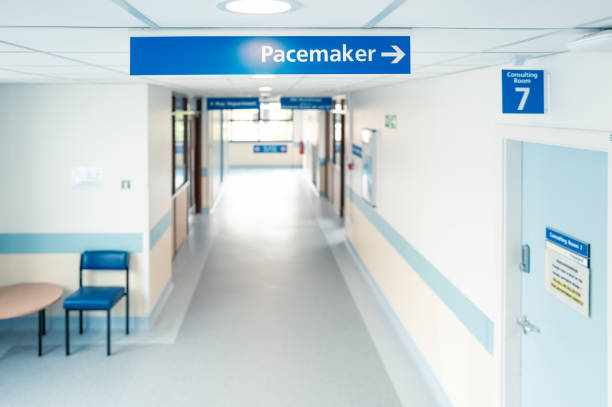
You know that sinking feeling when you're already running late for an appointment, and suddenly you're staring at three identical hallways with zero clue which one leads to radiology? Yeah, hospitals have a serious navigation problem.
And it's costing them. Big time.
Look, I'm not just talking about the frustration factor here—though trust me, that's real enough. The actual financial and operational hit from poor signage and confusing layouts? Way bigger than most administrators want to admit. But with a wayfinding app, facilities can actually turn this mess around. More on that in a bit.
What's Really Happening Behind the Scenes
Here's the thing. When patients get lost, appointments get backed up. Simple as that. Mrs. Johnson can't find the cardiology wing, so she shows up 15 minutes late. Now everyone after her is delayed. The nurses are stressed. The doctors are behind. And Mrs. Johnson? She's rattled before her consultation even starts.
But it goes deeper. Hospital staff spend a ridiculous amount of time giving directions. I've seen estimates suggesting front desk workers field dozens of wayfinding questions every single shift. That's time pulled away from actual administrative work, patient care coordination, all the stuff they're actually trained to do.
Then there's the safety angle nobody really thinks about. Lost visitors sometimes end up in restricted areas—surgical prep zones, medication storage rooms, places they definitely shouldn't be wandering around. Security risks aside, it creates liability issues that legal teams lose sleep over.
Why Your Current Signage System Is Failing
Okay, so you've got signs. Color-coded paths on the floor, maybe even those fancy directory boards near the entrance. Great start, I guess... except it's 2025 and people expect better.
Static signs can't adapt. Department relocates? Someone's gotta physically change every sign along that route. Elevator's out of service? Good luck updating your entire directional system in real time. It's clunky, slow, and honestly kind of outdated.
Plus—and this matters more than people realize—not everyone navigates the same way. My dad needs step-by-step instructions. My sister prefers a visual map she can glance at. Your signage system probably works great for one type of person and confuses the hell out of everyone else.
Language barriers make it worse. Medical jargon, department abbreviations that mean nothing to regular folks, signs that assume everyone reads English fluently. It's a recipe for confusion.
Digital Navigation Actually Makes Sense Now
This is where things get interesting. A wayfinding app on someone's phone basically solves all these problems at once.
Think about it—you already use GPS to find restaurants in unfamiliar neighborhoods. Why shouldn't finding the orthopedic clinic be just as straightforward? Pull up the app, type where you need to go, follow the blue line. Done.
The real magic is in the updates. Construction blocking the main route? The app reroutes you instantly. Need to find a bathroom along the way? It shows you the closest one. Running behind and need to let the front desk know? Built-in messaging takes care of it.
And here's what really sold me on this technology: it works for everybody. Visual learners get their map. Detail-oriented folks get their turn-by-turn instructions. Non-English speakers can switch languages. People with mobility issues can request accessible routes that avoid stairs.
Getting This Tech Into Your Hospital
Now, before you start worrying about budget meetings and year-long implementation plans, hold up. Modern wayfinding software isn't nearly as complicated as you'd think.
Most systems work with your existing infrastructure. You're not ripping out walls or completely redesigning your facility. The software company typically handles the mapping—they'll walk through your hospital, document everything, build the digital twin. You review it, suggest adjustments, approve it.
Integration with your current systems? Usually pretty smooth. If you've already got a hospital app, the wayfinding piece can plug right in. If you don't, it can work standalone. Patients download it before their visit or access it through a web browser when they arrive.
Staff training barely registers as a concern. Seriously, if someone can use their smartphone for literally anything else, they'll figure out hospital navigation software in about five minutes.
Updates are dead simple too. Department moves to a new floor? Change it in the backend, and boom—every user sees the updated route immediately. No printing new signs, no repainting floor paths, no confusion during the transition period.
Look, Here's the Deal
We've normalized terrible wayfinding in hospitals. Just accepted it as "that's how medical facilities are." But why? Why should finding your cardiologist's office be harder than finding a random coffee shop three states away?
The costs are real—missed appointments, staff frustration, patient anxiety, operational delays. They add up fast. And the solution exists right now, proven, working in hospitals across the country.
I'm not saying digital navigation fixes every healthcare challenge. Obviously it doesn't. But it fixes this one. And honestly? In an industry where stress levels are already maxed out for everyone involved, removing one major frustration seems worth it.
Your patients deserve better than wandering around lost, getting more anxious by the minute. Your staff deserves to focus on healthcare instead of playing human GPS all day.
Fix the wayfinding. Everything else gets a little bit easier.



Write a comment ...